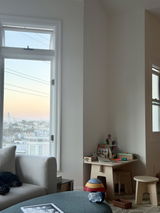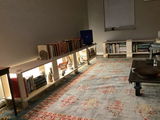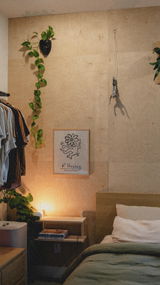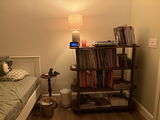
Every wabi-sabi furniture guide tells you to add texture, distress wood, or layer rough ceramics. We disagree: our Baltic birch comes out of the box with visible plies, natural grain variation, and zero coating. That is already the material. We have shipped over 3,000 unfinished pieces to customers who chose not to finish them at all, and that choice is the most wabi-sabi one available.
This guide explains why unfinished wood furniture is wabi-sabi by construction, not by decoration, and which pieces from our collection show the aesthetic most clearly.
What wabi-sabi actually requires from furniture
Wabi-sabi is a Japanese philosophy of beauty that finds value in impermanence, imperfection, and incompleteness. In furniture, that means natural materials that show how they were made, surfaces that will change over time, and a rejection of decorative excess. A lacquered, finished piece is less wabi-sabi than an oiled one. An oiled piece is less wabi-sabi than a raw one.
The three principles that apply directly to furniture choice are: natural material, visible craft, and acceptance of change. Baltic birch plywood satisfies all three. The cross-section shows 13 alternating layers. The grain on the face is the actual wood. The surface will patina.

The Baltic birch wabi-sabi argument
Most wabi-sabi furniture sold online is mass-produced particleboard with a texture-printed vinyl wrap made to look unfinished. Actual wabi-sabi material tells the truth about itself. Baltic birch plywood does this structurally: the ply count (13 layers in 3/4-inch stock), the alternating grain direction that prevents warping, and the face veneer that is real birch, not a photograph of birch.
Our wall shelves are the purest expression of this. A single 30-inch shelf, raw, holding one object. That is not a styling choice requiring instruction. That is wabi-sabi arriving already assembled.
"I was going to paint it. I never did. The raw birch is better than anything I could have added." -- UNFNSHED customer, Portland OR
 A 22-inch wall shelf with one object. The shelf does not need three things on it.
Which finishes are wabi-sabi compatible
Raw, unfinished
The most wabi-sabi choice. The wood will amber slowly in sunlight, lighten in shade, and pick up the patina of the room over years. No maintenance required. Not ideal for pieces that contact water regularly.
Pure tung oil
One coat, wiped on with a cloth. Dries fully within 48 hours. Adds very slight warmth to the grain. Food-safe after cure. Wabi-sabi compatible because it enhances the natural material without hiding it.
Osmo Polyx 3054 Raw
Our most-recommended finish for customers who want protection with a raw appearance. One coat, 20 minutes per piece. Resists water rings. Remains within the pale, natural tone of bare birch. Our team has tested this on over 30 pieces.
Beeswax
Traditional and wabi-sabi in origin. Buffs to a very low sheen. Adds slight warmth. Requires reapplication every 12 to 18 months on high-use surfaces. Best for decorative pieces, not heavily used furniture.
The wabi-sabi furniture pieces we recommend
 An A-Stool finished in sage green. Wabi-sabi also includes deliberate, imperfect color. Not every piece needs to stay raw.
What wabi-sabi furniture is not
Wabi-sabi is not distressed furniture. Artificially worn, chipped, or antiqued pieces are the opposite of the philosophy: they perform imperfection instead of accepting it. Wabi-sabi furniture is honest about what it is. A flat-pack Baltic birch shelf is honest. A mass-produced piece with a machine-applied weathered texture is not.
Wabi-sabi is also not decoration. Adding wabi-sabi objects to a finished, lacquered room does not make the room wabi-sabi. The furniture itself needs to be made from natural material that tells the truth about itself.
Wabi-sabi furniture questions
What is wabi-sabi furniture?
Wabi-sabi furniture is made from natural materials that show their construction honestly, age gracefully without requiring decoration, and reject excess ornamentation. Baltic birch, raw wood, natural stone, and uncoated rattan are all wabi-sabi materials. The style values impermanence, imperfection, and the evidence of how something was made.
Is unfinished wood furniture wabi-sabi?
Yes. Unfinished wood, particularly furniture-grade plywood like Baltic birch, is one of the most wabi-sabi materials available because it shows exactly what it is: real wood, natural grain, visible cross-section. It will change over time as the room's humidity and light affect it, which aligns with wabi-sabi's acceptance of impermanence.
What is the difference between wabi-sabi and japandi furniture?
Both aesthetics value natural materials, simplicity, and restraint. Japandi is a hybrid of Japanese minimalism and Scandinavian design with cleaner lines and a warmer, more deliberate palette. Wabi-sabi is specifically Japanese and more accepting of asymmetry, raw texture, and imperfection. In practice, unfinished Baltic birch furniture works in both styles.
Should I leave Baltic birch furniture unfinished for a wabi-sabi look?
You can. Unfinished Baltic birch will amber slowly over time in sunlight and develop a natural patina. For pieces that contact water regularly, one coat of pure tung oil or Osmo Polyx 3054 Raw maintains the raw appearance while preventing water damage. Neither option changes the material character of the wood.