Shoe Storage

Shoe storage that doesn’t look like a shoe rack

Most shoe racks look like they belong in a dorm room. Wire shelves, plastic tiers, fabric bins — functional, sure, but not something you want guests to see by the front door. These are real pieces of furniture that happen to organize shoes beautifully.

Why it works
Tool-Free Assembly Slot-together design. No tools, no hardware, no instructions you need a PhD to read.
Ships in 3–5 Days Made in our San Diego workshop and shipped fast. Your entryway upgrade arrives this week.
Real Wood 13-ply Baltic birch plywood. Not plastic, not wire, not particle board with a veneer.
Fits Any Entryway Stain it, paint it, or leave it raw. Matches any style because you finish it yourself.

Shoe Storage Questions, Answered

What is the best shoe storage for an entryway?

Open shelves. Closed shoe cabinets trap moisture and smell. An open shoe shelf lets air circulate around your shoes, which keeps them fresher and drying faster after a rainy day.

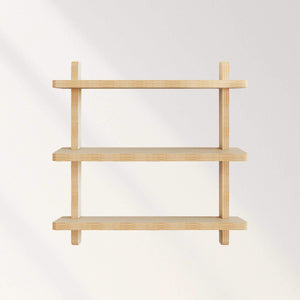
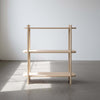
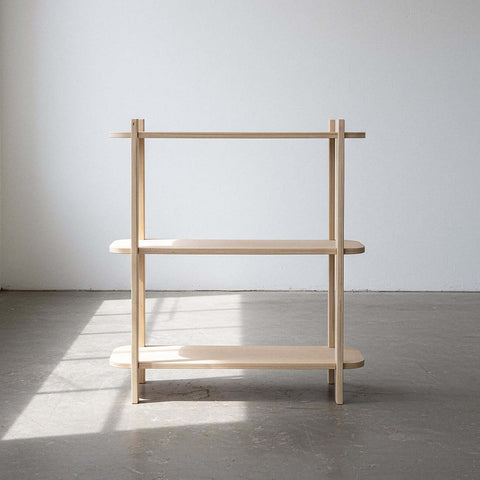
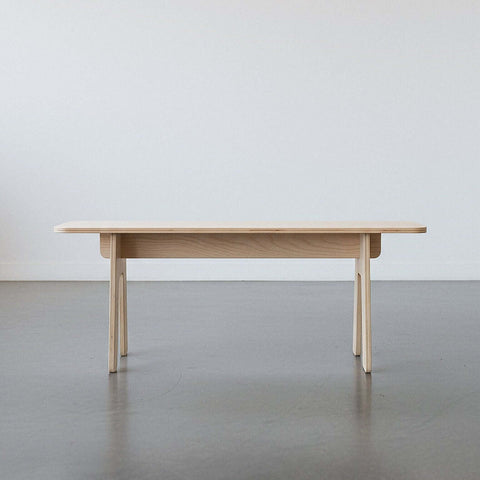
The Modern Shelf works perfectly as an entryway shoe shelf — three tiers of open storage that fit 6–9 pairs depending on shoe size. If you want a seat by the door too, the Modern Bench doubles as a shoe storage bench with room underneath for your everyday pairs.
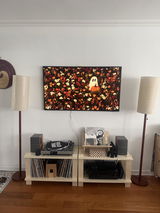
How do you store shoes without a shoe rack?

You have three good options. First, use a bench — the Modern Bench lets you sit down to put shoes on and stores pairs underneath, so it serves double duty. Second, use a freestanding shelf like the Modern Shelf that looks like furniture, not a shoe rack.

The key is using real furniture instead of something designed only for shoes. A good shelf or bench organizes shoes just as well and doesn’t scream “shoe storage” when guests walk in.

How many pairs of shoes fit on a shelf?

The Modern Shelf has tiers that are 24 inches wide. Each tier fits 2–3 pairs of average shoes side by side. With three tiers, that’s 6–9 pairs total — enough for a couple’s daily rotation by the front door.

Need more capacity? The Modular Shelf lets you connect multiple units together. Start with one and add sections as your collection grows. Families with kids typically use two connected units for 12–18 pairs.