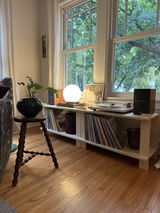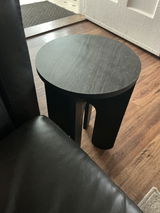
Your bedroom has a nightstand, a lamp, maybe a candle. But something's missing and you can't quite name it. Nine times out of ten, it's a living thing. Plants in the bedroom do more than look good. They soften hard surfaces, clean the air while you sleep, and give the room a feeling that no amount of throw pillows can replicate. A plant stand puts them at the right height to actually notice.
Here are five practical ways to bring plants into your bedroom, which species actually thrive in low bedroom light, and why the stand matters as much as what's sitting on it.
1. The Nightstand Companion
Place a plant stand next to your bed on the side opposite your nightstand. This creates visual balance without doubling up on furniture. A small snake plant or pothos on a stand at nightstand height (24-26 inches) frames the bed symmetrically and gives you something green to look at first thing in the morning.

The Indoor Plant Stand works perfectly here. It's 13-ply premium-grade plywood, assembles without tools in under two minutes, and has a compact footprint that doesn't crowd the walkway beside your bed. The unfinished wood lets you stain or paint it to match your existing nightstand, or leave it raw for contrast.
Best plants for this spot: snake plant (handles near-darkness), pothos (trails nicely over the edge), or a small ZZ plant (practically indestructible).
2. The Corner Statement
Every bedroom has at least one empty corner that collects dust and guilt. A taller plant stand with a floor plant turns that dead space into a focal point. Fiddle leaf figs and rubber plants work here if the corner gets indirect light from a nearby window. For darker corners, a large peace lily or dracaena handles the low light without complaint.
Height matters in corners. A plant sitting directly on the floor gets lost. Lifting it 12 to 18 inches on a stand brings the foliage into your sightline and creates visual layers in the room. The stand adds a second material (wood) to break up what's usually a monotone corner of wall and carpet.
3. The Window Shelf Rotation
If your bedroom has a window with a sill, you already know it's too narrow for most pots. A plant stand positioned directly in front of or beside the window gives you a proper surface for sun-loving plants. Rotate your higher-light plants through this spot weekly and keep the low-light varieties elsewhere in the room.
This rotation approach means you can keep 4-5 plants in the bedroom but only one needs prime window real estate at any given time. The rest thrive on the ambient light deeper in the room.
"Lifting a plant 12 to 18 inches off the floor changes how the entire room feels. It's the difference between a plant you step around and a plant you actually see."
4. The Dresser-Top Garden
Your dresser probably has some empty surface area that's become a landing pad for receipts and loose change. A small plant stand on top of the dresser creates an intentional display that discourages clutter from accumulating. It also puts the plant at a height where trailing varieties like string of pearls or philodendron can cascade down the front of the dresser.
The No-Tool Stool doubles as an elevated plant stand for larger pots that need more surface area. Same premium-grade plywood construction, same tool-free assembly. Because it ships unfinished, you can match it to your dresser's finish with a coat of stain. Our guide on painting unfinished wood covers every technique from solid color to whitewash.
5. The Reading Nook Accent
If you have a chair or floor cushion in your bedroom for reading, a plant stand beside it completes the nook. There's something about sitting next to a plant that makes a reading spot feel more settled, more separate from the rest of the room. A medium-height stand with a Boston fern or calathea adds texture and movement near your reading light.
Best Low-Light Plants for Bedrooms
Most bedrooms don't get the bright, indirect light that plant care guides assume. Here's what actually works in the 50-150 foot-candle range typical of bedrooms:
- Snake plant (Sansevieria). Tolerates near-total darkness. Releases oxygen at night, which is unusual and genuinely helpful for sleep. Water every 2-3 weeks.
- Pothos. Trails beautifully from a stand. Handles low light and inconsistent watering. Nearly impossible to kill.
- ZZ plant. Glossy, architectural leaves. Grows slowly in low light but stays healthy. Water monthly.
- Peace lily. One of the few flowering plants that tolerates low light. Droops dramatically when thirsty, which is actually helpful since it tells you exactly when to water.
- Cast iron plant (Aspidistra). Named for its toughness. Slow-growing, low-maintenance, and completely unfazed by dark corners.
Skip succulents in the bedroom unless your window gets direct sun for 4+ hours daily. They stretch and weaken in low light, no matter what Pinterest suggests.
Why Unfinished Wood Matches Every Bedroom
Pre-finished plant stands come in maybe three colors: white, black, and "natural" (which never matches anything natural in your room). Unfinished premium-grade plywood adapts to whatever palette you already have.
Going for a Japandi-inspired bedroom? Leave the birch raw and let the wood grain do the work. Want something moodier? A dark walnut stain takes 30 minutes. Boho? Whitewash. The point is that you're not locked into someone else's color choice.
Browse our full collection of indoor plant stands to find the right fit for your bedroom, or check out the complete product collection for shelving and other bedroom furniture in the same material.
Frequently Asked Questions
Do bedroom plants actually improve air quality while you sleep?
Yes, though the effect is modest with just one or two plants. Snake plants are notable because they perform a type of photosynthesis (CAM) that releases oxygen at night instead of during the day. NASA's Clean Air Study found that plants like pothos, peace lilies, and snake plants filter common indoor pollutants including formaldehyde and benzene. For noticeable air quality benefits, aim for 3-5 plants in a standard bedroom.
What height plant stand works best in a bedroom?
It depends on placement. Next to the bed, match your nightstand height (24-26 inches) so the plant sits at eye level when you're lying down. In a corner, go 12-18 inches to lift floor plants into your sightline. On a dresser, a shorter stand (6-8 inches) adds just enough elevation for trailing plants. The Indoor Plant Stand works well for bedside and corner placement.
Can unfinished wood plant stands handle water and soil?
Yes, with basic precaution. Always use a pot with a saucer or drainage tray to catch water. If you want extra protection, seal the top surface of the stand with a coat of polyurethane or beeswax. Unfinished premium-grade plywood is dense and resists moisture better than pine or MDF, but no raw wood should sit in standing water. A waterproof liner or cork pad under the pot adds an extra layer of protection.