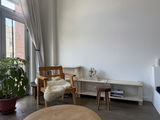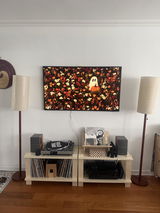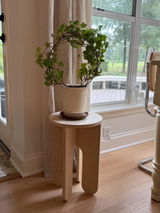
Here's the uncomfortable truth about japandi shelves: you're probably overpaying for them. The japandi aesthetic is built on raw materials, natural imperfections, and clean lines. That's it. But furniture companies have figured out that slapping "japandi" on a product description justifies a 40% markup, even when the shelf is made from MDF with a printed wood-grain veneer. The style that celebrates authenticity has been co-opted by brands selling the appearance of authenticity. Actual raw wood with visible grain and subtle irregularities? That's not a premium finish. That's just... unfinished wood.
What Japandi Actually Means (and Why Most Shelves Get It Wrong)
Japandi emerged around 2016 as a hybrid of Japanese minimalism and Scandinavian simplicity. Two design philosophies from opposite sides of the world that share a core belief: strip away the unnecessary and let materials speak for themselves.

From the Japanese side, you get wabi-sabi, the idea that imperfection is beautiful. A knot in the wood. A slight variation in grain pattern. These aren't flaws to sand away or cover up. They're features. From the Scandinavian side, you get hygge, the pursuit of warmth and comfort through honest materials. Pine, beech, oak, linen, wool. Things that feel good under your hand.
Put those together and the japandi shelf formula is straightforward:
- Natural wood, not painted to look like natural wood. The grain should be real. The texture should be tactile.
- Clean lines with no ornamental hardware. No decorative brackets, no visible screws, no fussy details.
- Functional first. Every element earns its place. If it doesn't hold something or serve a purpose, it goes.
- Muted palette. Warm beiges, soft greys, taupe, charcoal. Nothing high-gloss, nothing neon.
Now look at what most "japandi bookshelves" actually are: particle board with a walnut-toned laminate, metal brackets powder-coated black, and a price tag that assumes you don't know what real wood looks like. That's not japandi. That's cosplay.

Why Premium-Grade Plywood Is Japandi by Default
Every UNFNSHED shelf is made from 13-ply premium-grade plywood in our San Diego shop. That's relevant here because premium-grade plywood does something most woods don't: it shows its construction honestly. The edge grain reveals all 13 layers, creating a subtle striped pattern that's become a signature of modern plywood furniture. It's the kind of detail a wabi-sabi purist would appreciate, because it doesn't pretend to be something it's not.
The surface of unfinished premium-grade plywood is light, warm, and slightly textured. It falls right into the japandi color palette without any stain or treatment. Leave it raw and it reads as Scandinavian. Apply a light wash of grey or warm white and it leans Japanese. Either way, you're working with the real material rather than a simulation of it.
This is the core argument: you don't need to buy "japandi shelves." You need shelves made from honest materials with clean lines, and then leave them alone. The style is the absence of unnecessary finish, not the addition of an expensive one.
Japandi Shelf Ideas: Three Approaches That Work
1. The Single Statement Shelf
Japandi interiors favor restraint. One well-placed shelf with three carefully chosen objects will always read more japandi than a wall of shelving crammed with stuff. The Large Modern Shelf works here because its proportions are clean and the unfinished birch surface gives you that raw-material honesty the style demands.
How to style it japandi: One ceramic vessel (handmade if possible, irregular glaze), one small plant in a simple pot, one book laid flat. Leave at least 40% of the surface empty. The negative space is doing just as much work as the objects.
2. The Asymmetric Pair
Japanese design avoids perfect symmetry. Scandinavian design loves balance. The compromise? Two Double Modern Shelves mounted at different heights on the same wall. Offset them by 6 to 8 inches vertically and stagger them horizontally. The result is balanced without being rigid, which is the exact tension japandi lives in.
How to style it japandi: Keep one shelf sparse (two objects max) and the other slightly fuller (three to four objects). The visual weight should feel balanced even though the arrangement isn't mirrored. Stick to the muted palette: warm beige ceramics, unglazed stoneware, dried grasses, dark-spined books.
3. The Modular Bookshelf
Japandi borrows the Japanese concept of multi-functional furniture. A shelf system that can be reconfigured as your needs change fits that philosophy perfectly. The Modular Modern Shelf assembles without tools in under two minutes using interlocking joints. No visible hardware. No metal brackets. Just wood meeting wood, which is about as japandi as furniture engineering gets.
How to style it japandi: Alternate between open shelves and closed storage if possible. The japanese influence in japandi loves hidden storage. What's visible should be intentional. What's not worth looking at gets tucked away.
"Wabi-sabi teaches that beauty lives in imperfection. So why are most 'japandi' shelves machine-perfect MDF with a fake wood finish? The contradiction should bother you."
The Finish Question: Raw, Stained, or Painted?
Because UNFNSHED shelves ship as raw premium-grade plywood, you get to make this call yourself. Here's how each option maps to japandi:
Leave it raw. This is the purest japandi move. The natural birch tone sits in that warm beige range the style calls for, and the grain provides subtle visual texture. Over time, the wood will develop a slight patina from light exposure and handling. That aging process? Wabi-sabi in real time.
Light stain or oil. A matte oil finish (tung oil, danish oil) deepens the grain slightly without adding sheen. This is the Scandinavian lean of japandi, adding warmth while keeping the material honest. If you want to push toward the deeper tones of Japanese interiors, a diluted walnut stain gets you into that rich, quiet territory.
Muted paint wash. A thin wash of soft grey, warm white, or deep olive gives you color while letting the grain show through underneath. This is different from a solid coat of paint. You're adding a whisper of color, not covering the wood. Our guide on painting unfinished wood furniture covers the technique.
What you should not do: high-gloss polyurethane, heavy lacquer, or any finish that makes the wood look like plastic. Japandi and shine don't mix.
Japandi Shelving vs. the Markup Problem
Search for "japandi bookshelf" and you'll find shelves priced at $300 to $800. Open the product details and you'll often find particle board or engineered wood with a veneer, metal frames, and assembly that requires an Allen wrench and an afternoon. The "japandi" part of the price tag is a style tax for a look that, ironically, is supposed to reject excess.
The math is simple. Japanese scandinavian shelving at its core is: real wood + clean lines + no unnecessary decoration. UNFNSHED shelves check all three boxes because that's what they are before any style label gets applied. The wall shelf collection and the display shelf collection both start from 13-ply premium-grade plywood with interlocking joints and zero hardware. That's not a marketing angle. It's just what the product is.
With 1,060+ reviews and 94% of them five-star, the quality holds up. These shelves have been in minimalist apartments, Scandinavian-inspired living rooms, and wabi-sabi studios long before we thought to write the word "japandi" anywhere near them.
If you're building out a japandi space on a budget, our full Japandi style on a budget guide breaks down the approach room by room. And for more on why plywood furniture has become the go-to for minimal interiors, read the case for plywood furniture.
Browse the full collection. Every piece ships flat, assembles in under two minutes with no tools, and arrives ready for whatever finish you choose, or no finish at all.
Frequently Asked Questions
What makes a shelf "japandi"?
Japandi shelves combine Japanese wabi-sabi (celebrating natural imperfections) with Scandinavian simplicity (clean lines, honest materials). In practical terms, that means real wood with visible grain, no ornamental hardware, a muted color palette, and a form that prioritizes function. The style rejects anything artificial or overly decorated.
Do japandi shelves have to be a specific color?
Not a specific color, but within a specific range. Japandi stays in muted, natural tones: warm beiges, soft greys, taupe, charcoal, walnut brown, and deep olive. Natural premium-grade plywood falls perfectly into the warm beige end of this palette without any treatment. If you want to shift the tone, a light stain or diluted paint wash keeps you in japandi territory without covering the wood grain.
Can I create a japandi look without spending a lot?
Yes, and that's kind of the point. Japandi at its core is about stripping away the unnecessary, which should mean less spending, not more. Start with quality shelves in real wood (not laminate), leave them unfinished or apply a simple oil, and style with fewer, more intentional objects. Our budget japandi guide walks through the full approach. The style is about restraint, and restraint is free.