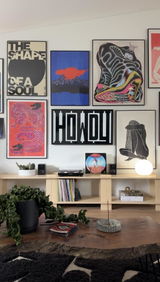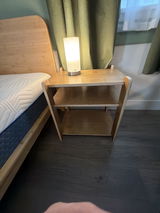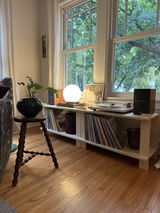
Here's the problem with most shelves for kids room spaces: they're designed for adults. The shelf looks great in the listing photo. It matches the accent wall. It holds 40 books. And your five-year-old can't reach a single one of them without climbing it like a ladder. So they do. And now you've got a tip-over risk instead of a bookshelf. The real question isn't "what looks good" but "what can my kid actually use without my help?" That's a harder question. It also has better answers.
We build furniture for exactly this kind of tension. Every UNFNSHED shelf is made from 13-ply premium-grade plywood in San Diego, assembles in under two minutes with no tools, and ships completely unfinished. That combination matters in a kids room more than almost anywhere else in your house.
The Two-Boss Problem
Kids room shelves serve two people with completely different priorities. You want the room to look organized. Your kid wants to grab their dinosaur book without asking for help. Most shelving tries to solve for one and ignores the other. You end up with either a pretty shelf your child never touches (because they can't reach it) or a low bin system that looks like a yard sale by Tuesday.

The fix is simple, but it requires thinking about height before thinking about style.
For kids ages 3 to 5, the sweet spot is shelves no taller than 24 inches. At that height, a child can see what's on the shelf, pull items out, and put them back. That last part is the one nobody talks about. A shelf your kid can take things off of but can't return things to is just a one-way mess dispenser.
For kids 6 to 8, you can go higher, around 36 to 42 inches, but keep the most-used items on the lower tiers. The top shelf becomes your territory: the fragile stuff, the art supplies that require supervision, the birthday gifts they haven't earned yet.

Durability Is the Real Kids Room Shelving Idea
Pinterest will show you 200 kids room shelving ideas involving painted cubbies, woven baskets, and color-coded labels. What Pinterest won't tell you is that most of those setups are built on MDF or particleboard, and neither material survives contact with actual children.
MDF swells when it gets wet. Particleboard chips at the edges. Laminate peels. In a kids room, "getting wet" includes spilled juice, watercolor paint water, and that thing where your kid licks the furniture for reasons known only to them.
13-ply premium-grade plywood handles all of this. It's cross-laminated, so it resists warping. The edges are smooth without banding. And because UNFNSHED shelves ship with no coating, the surface is ready for whatever you (or your kid) want to do with it.
"Your four-year-old will draw on the shelf with a Sharpie. It's not a question of if. With unfinished premium-grade plywood, you sand it out in 30 seconds and move on. With laminated furniture, you live with it or throw it away."
This is the practical advantage of unfinished wood in a kids room. Every mark, stain, and mystery smudge can be sanded away. You can paint it their favorite color this year, sand it back, and repaint it next year when they've moved on from dinosaurs to space. The shelf stays. The surface resets.
Toy Storage Shelves That Actually Get Used
The number one mistake with toy storage shelves is overloading them. A shelf stuffed with 30 toys looks like chaos to a kid. They don't see options. They see noise. Then they dump everything on the floor to find the one thing they want.
The better approach: fewer items, rotated regularly. Keep 8 to 10 toys or activities on the shelf at a time. Store the rest in a closet. Swap them out every week or two. Your kid thinks they got new toys. You didn't spend a dollar.
Open shelving works better than closed bins for this. When kids can see what's available, they make choices. When everything is hidden in a bin, they dump. Labels help too. For kids under 5, use picture labels or color coding. For early readers, simple word labels reinforce the connection between the object and its home.
The Double Modern Shelf is built for this kind of setup. Two tiers give you a lower level for daily-use toys and an upper level for books, art supplies, or items on rotation. Both tiers are visible and accessible to kids in the 3 to 8 range without climbing.
Wall-Mounted vs. Freestanding: Pick Based on the Kid
Wall-mounted shelves have one major advantage: they can't tip over. For kids bedroom shelves, that's not a minor point. The CPSC data on furniture tip-overs is grim, and climbing is the number one cause. If your child is a climber, wall-mount everything.
Our Wall Shelves mount directly to studs and hold weight without sagging. Install them at your kid's shoulder height and they become a children's bookshelf that actually gets used daily. Front-facing book display (covers out, not spines) lets kids choose based on what they see, which is how they make decisions at this age.
Freestanding shelves give you more flexibility. You can rearrange the room without patching drywall. The Large Modern Shelf and Modular Shelf both work as floor-level kids room storage. The modular version is especially useful because it grows with the kid. Start with one unit at age 3, add another at age 6 when the book collection triples. Same material, same look, more capacity.
If you go freestanding, anchor it to the wall with anti-tip hardware. Always.
Corner Shelves and Cubbies: Use the Space Nobody Looks At
Most kids rooms have at least one dead corner that's collecting dust or holding a laundry basket. Wall-mounted cubbies in that corner turn wasted space into functional storage without eating floor space your kid needs to play.
Corner shelves work particularly well for a children's bookshelf setup because books are narrow. A 6-inch-deep shelf in a corner holds picture books front-facing with room to spare. It also keeps books off the floor, which is where they'll end up if there's no obvious "home" for them.
For small spaces, this approach makes the difference between a room that feels cramped and one that feels intentional. Vertical storage on walls means more open floor for building, drawing, and the general controlled chaos that defines childhood.
The Finish Question
In a kids room, what's on the surface of the shelf matters. Conventional furniture finishes can off-gas VOCs into a room where your child sleeps 10 to 12 hours a night. Starting with unfinished wood means you control what goes on it.
Safe options include milk paint, beeswax, pure tung oil, and zero-VOC formulas like ECOS paints. Our guide to safe wood finishing around kids walks through each option with instructions. Or leave the premium-grade plywood raw. The natural grain is warm, clean, and works with any room design without competing with it.
UNFNSHED Shelves for Kids Room Setups
Double Modern Shelf
Two tiers for separating daily toys from rotation stock. Kid-height accessibility on the bottom, parent-curated items on top. 13-ply premium-grade plywood, tool-free assembly.
Large Modern Shelf
Mount low for a front-facing children's bookshelf or use as a floor-level toy display. Strong enough for heavy board books and chunky wooden toys.
Modular Shelf
Starts small, grows with your kid. Add units as the book collection expands. Same premium-grade plywood, same finish, more storage whenever you need it.
Wall Shelves
Zero tip-over risk. Mounts to studs at any height. Perfect for corners, narrow walls, and rooms where floor space is at a premium.
Browse the full kids furniture collection or explore Montessori bookshelves for more kids room shelving ideas.
Keep Exploring
Frequently Asked Questions
How tall should shelves be in a kids room?
For toddlers and preschoolers (ages 1.5 to 6), shelves should be no taller than 1 to 2 feet so kids can reach items independently. For children ages 6 to 8, you can go up to about 36 to 42 inches, but keep frequently used items on the lower shelves. The key test is whether your child can both take items off and put them back without help. If they can only reach things by climbing, the shelf is too tall.
What's the best shelf material for a kids room?
Solid plywood, specifically premium-grade plywood, is the most durable option for kids rooms. It resists warping from spills, doesn't chip at the edges like particleboard, and won't swell like MDF when exposed to moisture. Unfinished premium-grade plywood has the added advantage of being sandable, so marker stains, paint, and scratches can be removed and the surface refinished as many times as needed. Laminate and veneer surfaces can't be repaired once damaged.
How do I organize shelves so my kid actually keeps them tidy?
Keep it simple: display 8 to 10 toys or books at a time, not 30. Use open shelving so kids can see their options instead of dumping bins to find what they want. Add picture labels or color coding for children under 5 and word labels for early readers. Rotate items every week or two by swapping shelf items with toys stored in a closet. The most important factor is height. If a child can reach the shelf and see what belongs where, they're far more likely to put things back on their own.