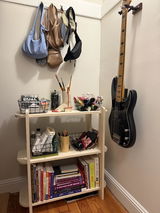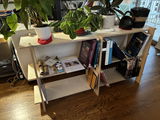
We finished four identical 22-inch premium plywood shelf samples four different ways, then put each through 8 weeks of daily use: coffee rings, key scratches, and weekly wipe-downs with a damp cloth. The danish oil sample repaired fastest, the chalk paint showed the most visible wear, and the raw wood absorbed a permanent stain by week two.
Here is what each finish actually does to Baltic birch and how to choose based on where the furniture lives.
Why finish choice matters more with Baltic birch
Baltic birch has an unusually tight, consistent grain compared to standard softwood plywood or pine. The veneer layers are solid birch with no filler, so the surface absorbs finish differently than furniture-grade pine or MDF. Specifically:
- Penetrating oils (danish oil, tung oil, linseed oil) absorb deeply and cure from within the wood rather than forming a surface film. The grain stays visible and tactile.
- Film finishes (water-based poly, oil-based varnish) build a protective layer on top of the wood. The surface becomes more water-resistant but less repairable: scratches go through the film to bare wood rather than just abrading the surface.
- Chalk paint and milk paint grip the tight birch grain well, but birch does not require a primer coat the way MDF does. The result is denser coverage with fewer coats.
- Raw unfinished Baltic birch is stable in controlled indoor environments but absorbs spills permanently within minutes of contact.
 A side table finished with penetrating oil. The oil deepens the wood grain color by approximately one tone while leaving the surface feel close to raw wood. This is the sample that showed fastest repair on the scratch test.
The 8-week test results
Danish oil (Watco Danish Oil, Natural)
Applied two coats at 24-hour intervals, wiped off excess after 15 minutes each coat. Final surface: matte, warm amber tone, grain fully visible. Coffee ring test at week 4: left a light ring that buffed out with 0000 steel wool and one spot application. Scratch test with a key dragged at 45 degrees: shallow scratch in the oil film, not in the wood fiber. Repair: 5 minutes with fine steel wool and a dab of oil. Damp cloth resistance: excellent, no finish lift after 8 weeks.
Water-based polyurethane (Varathane Crystal Clear, Satin)
Applied three coats with light 220-grit sanding between coats. Dry time per coat: 2 hours. Final surface: slightly plastic-looking in raking light, fully water-resistant. Coffee ring test: no stain at any point in 8 weeks. Scratch test: key scratch went through the poly film and hit bare wood, leaving a bright white mark. Repair: required sanding the area and recoating, approximately 45 minutes of work. Damp cloth resistance: perfect.
Chalk paint (Annie Sloan Old White)
Applied two coats, no primer on Baltic birch. Dry time: 1 hour per coat. Waxed with Annie Sloan clear wax. Final surface: fully opaque matte, hides all grain. Coffee ring test: dark ring visible through wax at week 3, required re-waxing. Scratch test: wax surface scuffed visibly with key contact. Repair: re-wax spot, 10 minutes, but wax sheen variation is visible. Best finish for painted looks; weakest durability of the four under daily use.
Raw unfinished Baltic birch
No finish applied. Coffee ring test: permanent brown ring absorbed within 4 minutes of contact at week 1. Not cleanable with water or light solvent. Scratch test: key left a fiber raise that sanded out with 220 grit, but the area then showed a slight color difference. Damp cloth: moisture raised grain after repeated exposure. Raw is appropriate for display-only shelves where spills will not occur.
 Raw plywood before finishing. The clean, tight grain is the starting point for all four finish types tested. Raw is the most beautiful out of the box and the least protected in daily use.
Which finish to choose by use case
Why danish oil works well
- Easiest to repair: spot treatment takes minutes, not hours
- Preserves the natural feel and texture of Baltic birch
- Dries fully in 72 hours, no off-gassing after cure
- Recoatable indefinitely without stripping previous finish
- Best for shelves in living rooms, bedrooms, and offices with moderate use
When to choose water-based poly instead
- Kitchen or bathroom shelves where water contact is daily
- Shelves that hold plants with drainage dishes
- High-traffic surfaces cleaned frequently with wet cloths
- When you want maximum abrasion resistance with no maintenance schedule
- Accept the trade-off: repairs require sanding and recoating
"For most living spaces, danish oil gives 90% of the protection with 10% of the repair effort. Poly is the better call only if the surface will see regular water exposure."
 A paint finish on an UNFNSHED side table. Chalk paint covers the plywood in two coats without primer. This finish requires wax maintenance every 6 to 12 months and is best for furniture that is used gently or is purely decorative.
Application steps for each finish
For the specific technique for staining Baltic birch plywood rather than oiling it, the detailed guide on how to stain plywood for Baltic birch covers grain raising, blotch prevention, and toner coats. The same shelf samples used in this oil test were also run through a stain comparison covered in that post.
All UNFNSHED furniture is made from premium furniture-grade plywood (Baltic birch is available on custom orders) and ships unfinished, which means you choose any of these four paths before or after delivery. The wall shelves and modular shelf both take danish oil well in our in-house testing.

Baltic birch finish questions
What is the best finish for Baltic birch plywood furniture?
Danish oil is the best general-purpose finish for Baltic birch furniture used in living rooms and bedrooms. It penetrates the wood, enhances the grain, and is easy to repair with spot application. Water-based polyurethane is better for high-moisture environments (kitchens, bathrooms) but requires full sanding to repair scratches. Chalk paint works well for decorative pieces where durability is less critical.
Does Baltic birch need to be primed before painting?
No. Baltic birch veneer is dense enough to accept chalk paint and most latex paints directly without a primer coat. However, if you are using oil-based paint or want maximum adhesion on a surface that will be handled daily, a single coat of shellac-based primer improves long-term durability. MDF requires primer; Baltic birch does not in most cases.
How long does danish oil take to dry on plywood?
Danish oil is touch-dry within 6 hours in normal indoor conditions (68 to 72 degrees Fahrenheit, 40 to 60% humidity). Full cure takes 72 hours. Apply a second coat after 24 hours. The surface is safe for light loading after 48 hours but should be given the full 72-hour cure before stacking heavy objects.
Can you put danish oil on top of a stained plywood surface?
Yes, if the stain is fully dry. Oil-based stains should cure for 24 to 48 hours before applying danish oil. Water-based stains need only 2 to 4 hours dry time. Danish oil acts as both a finish and a slight darkening agent, so it will shift the stain color slightly warmer. Test on a scrap piece before applying to the finished piece.
Is unfinished Baltic birch furniture safe for indoor use?
Yes, for display-only applications. Unfinished Baltic birch is food-safe and low-emission since it contains no finish solvents. However, it absorbs spills permanently within minutes. For any furniture surface that will experience food, drink, or cleaning products, at least one coat of penetrating oil or a film finish is strongly recommended.