




A modular shelving system is the one piece of furniture that changes how an entire room functions. Unlike fixed bookcases or built-ins, a modular setup grows with you, rearranges without tools, and looks intentional from day one. This guide covers the best configurations, room-by-room ideas, and what to look for when you buy one.
What makes a modular shelving system different
A standard shelf holds things. A modular shelving system organizes a room. The difference is in how units connect, stack, and reconfigure. True modularity means you can start with a single unit and expand to a full wall-spanning display without mismatched hardware or gaps in the design. Wood systems age better than wire or melamine because they absorb finish, accept anchors without cracking, and improve visually over time.
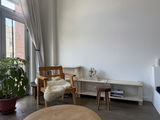
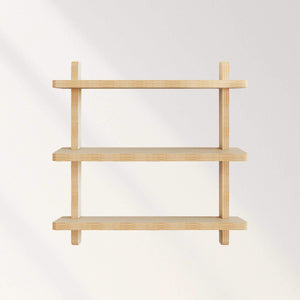
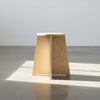
 A single modular unit handles books, plants, and everyday objects without visual clutter.
Room-by-room ideas for your modular shelf setup
Living room
Stack two units side by side with one raised on a riser block to create depth. Use the lower surface as a display ledge for ceramics or trailing plants. Leave one shelf deliberately empty to prevent the visual weight from becoming oppressive.
Home office
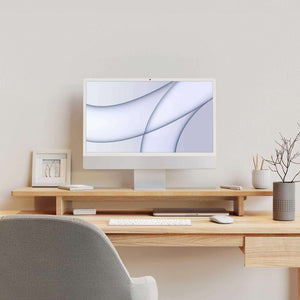
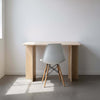
Place a single unit directly at desk height beside your monitor. The top surface becomes an extension of your workspace and the shelves below hold reference books and supplies without adding a separate bookcase.
Bedroom
A narrow double-height unit beside the bed replaces both a nightstand and a side bookshelf. The open design is airier than a closed cabinet and works in small bedrooms where solid furniture would crowd the space.
Entryway or hallway
A tall single unit in a hallway nook stores keys, sunglasses, and small bags on the upper shelves while the lower sections hold shoes or baskets. In birch plywood this reads as architectural rather than utilitarian.
"The best modular shelving system is the one that still makes sense five apartments from now."
How to size a modular shelving system for your space
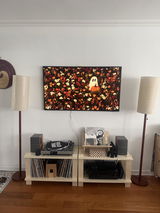
 A larger configuration works best when you leave breathing room around each grouping of objects.
Measure the wall width first, then subtract 10 to 15 percent. That remaining gap between your unit and the wall edge or adjacent furniture keeps the room from feeling encased. For ceiling height, aim for a unit top that sits 12 to 18 inches below the ceiling so the room reads as tall rather than stuffed.
Wood vs. wire vs. metal: why material matters
Why wood works
- Accepts any paint or stain so the system matches your room exactly
- Solid enough to anchor into drywall or stud without cracking
- Ages into a warmer, richer tone without rusting or bending
- Balances the visual weight of heavy objects without looking industrial
- Works in Japandi, Scandinavian, and minimal aesthetic homes equally
What to know
- Unfinished wood needs a coat of oil or wax before heavy use
- Premium furniture-grade plywood is denser and more stable than MDF-based alternatives
- Solid wood expands slightly in humidity; allow a small gap at the wall
- Heavier than wire or laminate systems; factor this in if you move frequently
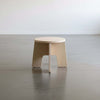
 Premium furniture-grade plywood holds its shape across years of use while accepting any finish you choose.
Finishing and customizing your wood shelving system
Unfinished birch plywood is the most flexible starting point for a modular shelving system because you control the final look entirely. The three most popular approaches for UNFNSHED systems are a clear matte oil that preserves the natural grain, a warm tinted wax that reads like light walnut, and a flat white paint that creates the Scandinavian all-white bookshelf look. All three are food-safe once cured, which matters if you store anything near plants or in a kitchen.
If you want a two-tone look, sand the edges of each shelf unit with 220-grit paper after the first coat, then apply a second coat only to the face. The contrast between the sealed face and the raw edge is subtle and contemporary. The UNFNSHED modular modern shelf comes ready to finish in exactly this way, with smooth plywood faces and clean edges that take stain evenly.
For a heavier-use system that doubles as a media console or kitchen island, a polyurethane topcoat over your chosen stain adds durability. Two thin coats are better than one heavy coat, which tends to pool in the shelf grooves and look plastic rather than natural.
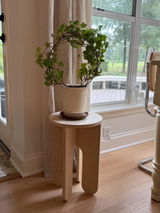
 The same shelf unit reads completely differently depending on what you put on it and how you finish the wood.
Modular shelving system questions
What is the difference between a modular shelf and a regular bookshelf?
A regular bookshelf is a single fixed unit. A modular shelving system consists of individual units that can stack, connect, or stand alone, so you can start small and expand without buying a new piece. Modular systems also tend to look more intentional in a room because each unit functions independently rather than requiring you to fill every compartment.
How do I keep a tall modular shelving system from tipping?
Anchor the top unit to a wall stud using a furniture strap or an L-bracket hidden behind the back panel. For freestanding configurations, keep heavier items on the lower shelves and lighter objects near the top. Most furniture safety codes recommend anchoring any freestanding unit taller than 30 inches in a home with children.
Can I add shelves to a modular shelving system over time?
Yes. Systems like the UNFNSHED modular modern shelf are designed so additional units attach to the original without gaps or mismatched finishes. As long as you finish new units with the same product you used originally, the addition is nearly invisible.
Is a wood modular shelving system strong enough for heavy books?
Premium furniture-grade plywood handles weight far better than particle board or MDF alternatives. A well-designed shelf in 18mm birch plywood rated for 50 pounds per shelf is strong enough for a full row of hardcover books without deflection. The key indicator is the plywood grade and thickness, not just the wood species.
What is the best modular shelving system for a small apartment?
Look for a unit that is 12 to 14 inches deep so it does not project into the room, and choose a height that stops short of the ceiling so the space reads as airy rather than enclosed. In a small apartment, one well-proportioned unit usually works better than two smaller ones placed on opposite walls.
How do I style a modular shelving system without it looking cluttered?
Apply the rule of thirds: fill roughly two thirds of the visible shelf space with objects and leave one third open. Group items in odd numbers (three or five), and vary the height of objects within each grouping. A single trailing plant draping over one shelf edge does more visual work than a row of framed photos.